

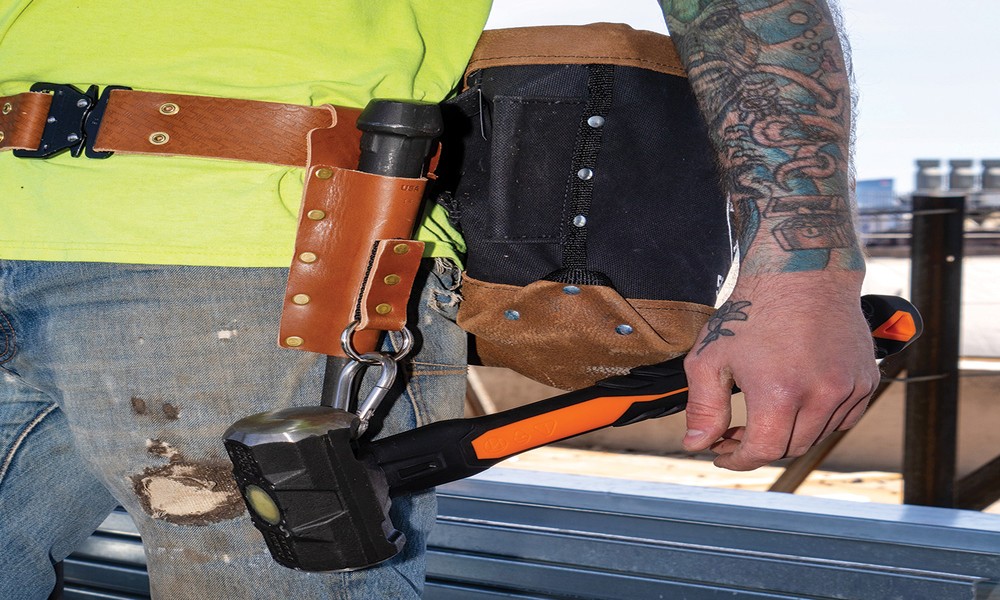
Down here in Texas, we don’t just build things; we build ’em tall, and we build ’em to last. Whether you’re a steelworker bolting together a new skyscraper in downtown Dallas or a lineman restoring power after a Gulf Coast hurricane, your life literally hangs by a thread-or more accurately, a high-quality harness and the work tools at your side.
There’s often a bit of a friendly rivalry between the “iron heads” and the “pole-monkeys,” but if you look at their rigs, you’ll see they’re cut from the same rugged cloth. Today, we’re diving deep into the essential ironworker gear and lineman tech that keeps the lights on and the skyline growing.
The Backbone of the Sky: Structural Ironworker Tools
If you’re walking the high iron, you aren’t just a construction worker; you’re an aerial artist with a heavy-duty kit. The most iconic piece of structural ironworker tools is, without a doubt, the ironworker spud wrench.
Why the weird shape? That tapered “spud” end isn’t just for show; it’s used to align bolt holes in massive steel beams. You’ve got to manhandle tons of steel into place, and that wrench is your pry bar, alignment pin, and fastener all in one.
Essential Ironworker Gear
- Bull Pins: Used for aligning holes when the spud wrench needs a little help from a 4-pound hammer.
- Sleever Bars: Heavy-duty prying tools that provide the leverage needed to nudge a beam just that last quarter-inch.
- Bolt Bags: Usually made of heavy canvas or leather, these sit on your hip to keep a steady supply of heavy-duty fasteners within reach.
Climbing High: The Lineman’s Daily Bread
While the ironworker is bolting beams, the lineman is dancing with high-voltage lines. A lineman tools kit is a specialized beast designed for one thing: safety in a high-stakes environment.
One of the most critical decisions a lineman makes is choosing their climbers (also known as hooks or spikes). Since you’re spending hours with your weight supported by these metal shanks, the material matters.
The Great Climber Comparison: Steel vs. Aluminum vs. Titanium
|
Material |
Cost-Effectiveness |
Weight |
Durability |
Comfort |
|---|---|---|---|---|
|
Steel |
High (Cheapest) |
Heavy |
Bombproof |
Low (Tires you out) |
|
Aluminum |
Moderate |
Light |
High |
High (Great balance) |
|
Titanium |
Low (Pricey!) |
Featherlight |
Extremely High |
Elite (Best for pros) |
For a green apprentice, steel is the way to go-it’s durable and easy on the wallet. But once you’ve spent a decade in the air, that extra investment in titanium pays for itself in saved knee and back pain.
The “Big Guns” of the Power Line
Beyond the climbing gear, the hand tools used by linemen are often “beefed up” versions of what you’d find in a standard garage.
1. Lineman Pliers
These aren’t your grandpa’s needle-nose. Lineman pliers are heavy-duty, high-leverage tools designed to cut through ACSR (Aluminum Conductor Steel Reinforced) cable like butter. They’re the “Swiss Army Knife” of the trade.
2. Lineman Impact Wrenches
When you’re a hundred feet up, you don’t want to be hand-cranking bolts into a crossarm. High-torque Lineman Impact Wrenches (often cordless these days) are essential for speed and reducing repetitive strain.
3. The Electrical Hot Stick
Ever tried to flip a switch that could vaporize you? That’s where the electrical hot stick comes in. These insulated fiberglass poles allow linemen to manipulate high-voltage equipment from a safe distance. It’s basically a 10-foot extension of your arm that won’t let 13,000 volts travel through your heart.
4. Crimpers and Cutters
To ensure a solid connection that won’t fail during a Texas heatwave, linemen use specialized Crimpers. These can be manual, but hydraulic versions are preferred for larger gauges to ensure the “squeeze” is perfect every time.
Why Weight and Material Matter
Did you know that a fully loaded tool belt for a lineman or steelworker can weigh upwards of 30 to 50 pounds? Imagine carrying a medium-sized dog around your waist while climbing a vertical pole or walking a 4-inch wide beam.
This is why we obsess over ironworker tools made from lightweight alloys. Every ounce you shave off your belt is an ounce of energy you keep for the end of the shift. In a job where fatigue can lead to fatal mistakes, “light is right.”
The Culture of the Trade
Whether you call yourself a steelworker or a lineman, there’s a shared code of conduct. You watch your partner’s back. You check your work tools every morning like a pilot checks his plane. Statistics show that the vast majority of accidents in these trades happen due to equipment failure or “complacency itch.” That’s why we don’t just buy gear; we maintain it. We oil the leather, sharpen the gaffs on our climbers, and never, ever use a tool for something it wasn’t designed for.
Conclusion
At the end of the day, whether you’re reaching for an ironworker spud wrench or a Lineman Impact Wrench, your tools are your lifeline. The transition from steel to titanium gear, or manual to hydraulic tools, represents a career evolving from raw muscle to refined expertise. Stay safe up there, keep your hooks sharp, and remember: the view from the top is great, but only if you’ve got the right gear to get you back down.
FAQs
1. What is the main difference between ironworker and lineman pliers?
While they look similar, lineman pliers usually have heavier insulation and are designed specifically to cut and twist hardened electrical wire, whereas ironworker pliers often have a spring-return and a different jaw profile for twisting rebar tie wire.
2. Why do ironworkers use a spud wrench instead of a regular wrench?
The spud wrench features a long, tapered handle used to line up bolt holes in heavy structural steel. A regular wrench would require you to carry a separate drift pin to do the same job.
3. Are titanium climbers worth the high price tag?
Absolutely. For a career lineman, the weight reduction significantly reduces the strain on your joints, which can extend your working years and improve your quality of life off the clock.
4. How often should a lineman check their electrical hot stick?
Every single time before use. You’re looking for cracks, dirt, or moisture that could track electricity. They also require periodic professional laboratory testing to ensure their insulating properties remain intact.
5. Can I use my ironworker tools for lineman work?
Generally, no. Lineman tools are specifically rated for electrical insulation and high-voltage safety. Using uninsulated structural ironworker tools on a power line is extremely dangerous and against OSHA regulations.