

7 Feb 2026
Fixed Deposits have long been regarded as one of the most dependable savings instruments for individuals seeking predictable income and capital protection. In a financial environment where market volatility can influence investment outcomes, many investors continue to rely on the stability offered by term deposits. If you are searching for the Best FD options to safeguard your savings while earning steady returns, understanding the structure, benefits, and selection criteria becomes essential.
This article presents a detailed and practical overview to help you evaluate fixed deposits effectively and align them with your financial objectives.
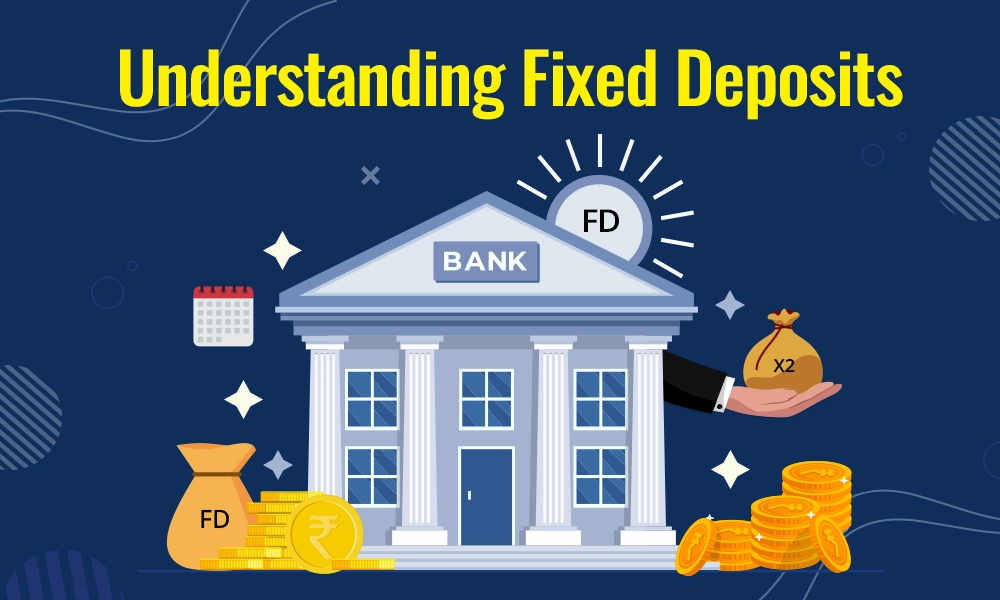
Understanding Fixed Deposits
A Fixed Deposit is a financial product offered by banks and non banking financial institutions where a lump sum amount is invested for a predetermined period at a fixed rate of interest. The tenure can range from a few months to several years. During this period, the interest rate remains constant, ensuring clarity in return expectations.
Unlike market linked investments, fixed deposits are not influenced by daily price movements. This makes them suitable for conservative investors who prefer certainty over high risk exposure.
Why Fixed Deposits Continue to Attract Investors
Even with the rise of diversified investment avenues, fixed deposits maintain their relevance due to several key factors:
Capital Protection
The principal amount invested remains secure, provided the deposit is made with a credible institution. This level of assurance makes fixed deposits ideal for retirees, salaried individuals, and risk averse investors.
Assured Returns
Interest is determined at the time of deposit and does not fluctuate throughout the tenure. This predictability helps in financial planning.
Flexible Tenure
Depositors can select short term or long term durations depending on liquidity needs and financial goals.
Simple Process
Opening a fixed deposit is straightforward and often requires minimal documentation, especially when done through digital platforms.
Key Factors to Identify the Best FD
Not all fixed deposits are structured in the same way. To choose the Best FD, it is important to assess multiple elements carefully.
Interest Rate
The interest rate plays a significant role in determining maturity value. Compare rates offered by different institutions before finalizing your deposit.
Compounding Frequency
Interest may be compounded quarterly, half yearly, or annually. Higher compounding frequency generally leads to better effective returns.
Tenure Selection
Selecting the right duration ensures alignment with your liquidity requirements. Locking funds for too long may restrict flexibility, while very short tenures may limit returns.
Premature Withdrawal Terms
Understand the penalty applicable if you need to withdraw funds before maturity. Some deposits may reduce interest rates or charge fees.
Tax Implications
Interest earned on fixed deposits is taxable as per your income slab. Tax saving fixed deposits with a lock in period of five years may provide deductions under applicable tax provisions.
Types of Fixed Deposits Available
Investors can select from different categories depending on their financial needs.
Regular Fixed Deposit
Suitable for general savings and medium term planning.
Tax Saving Fixed Deposit
Offers tax benefits with a mandatory lock in period.
Senior Citizen Fixed Deposit
Provides slightly higher interest rates for individuals above a specified age.
Cumulative Fixed Deposit
Interest is compounded and paid at maturity.
Non Cumulative Fixed Deposit
Interest is paid periodically, such as monthly or quarterly, which can support regular income needs.
Who Should Consider Fixed Deposits
Fixed deposits are appropriate for various investor profiles.
- Individuals planning short term financial goals
- Retirees seeking consistent income
- First time investors looking for safe instruments
- Conservative investors avoiding market fluctuations
- Parents creating a fund for future expenses
For such profiles, identifying the Best FD option ensures financial stability without exposure to volatility.
How Fixed Deposits Compare with Other Investments
Understanding relative positioning helps in making informed decisions.
Fixed Deposits versus Savings Accounts
Savings accounts offer liquidity but generally provide lower interest rates compared to fixed deposits.
Fixed Deposits versus Mutual Funds
Mutual funds have the potential for higher returns but carry market risks. Fixed deposits, in contrast, provide assured returns without price uncertainty.
Fixed Deposits versus Government Bonds
Government bonds may offer competitive rates and sovereign backing, but fixed deposits often provide easier access and simpler documentation.
Practical Strategy to Maximize Returns
Selecting the right deposit is only one part of the equation. Strategic allocation can further enhance outcomes.
Laddering Approach
Instead of investing the entire amount in one deposit, split it across multiple tenures. This improves liquidity and allows reinvestment at revised rates.
Reinvestment Planning
On maturity, reinvest the proceeds based on prevailing rates to maintain return consistency.
Diversification Across Institutions
Spreading deposits across reputed banks and financial institutions may reduce concentration risk.
Risks and Considerations
Although fixed deposits are considered low risk, certain factors should be evaluated.
Inflation Impact
If inflation exceeds the interest rate, real returns may decline.
Credit Risk in Smaller Institutions
While banks typically offer higher credibility, deposits with lesser known institutions should be evaluated carefully.
Tax Deduction at Source
Interest beyond a prescribed threshold may attract tax deduction at source. Proper documentation and declarations can help manage this.
Digital Access and Convenience
Modern banking systems allow investors to open and manage fixed deposits online. Features such as auto renewal, maturity alerts, and digital statements make monitoring convenient. Online comparison tools also simplify rate evaluation and tenure planning.
The ease of access has further strengthened the appeal of fixed deposits among younger investors who prefer digital solutions.
Long Term Financial Role of Fixed Deposits
Fixed deposits can form a stable component of a diversified financial plan. While growth oriented investments may provide higher returns, they also introduce variability. Fixed deposits act as a balancing factor by preserving capital and generating predictable income.
They are particularly effective for emergency funds, short term commitments, and conservative portfolio allocation. When chosen thoughtfully, the Best FD can support both security and structured financial growth.
Conclusion
Fixed deposits remain one of the most reliable and structured financial instruments available to investors seeking stability. With assured returns, flexible tenure, and ease of management, they serve as a dependable savings option across age groups.
Choosing the right fixed deposit involves evaluating interest rates, compounding frequency, withdrawal rules, and tax considerations. By aligning these factors with personal financial goals, investors can identify the Best FD suited to their needs and create a stable foundation for long term planning.
In a world where financial markets constantly evolve, fixed deposits continue to offer clarity, certainty, and disciplined wealth preservation.