

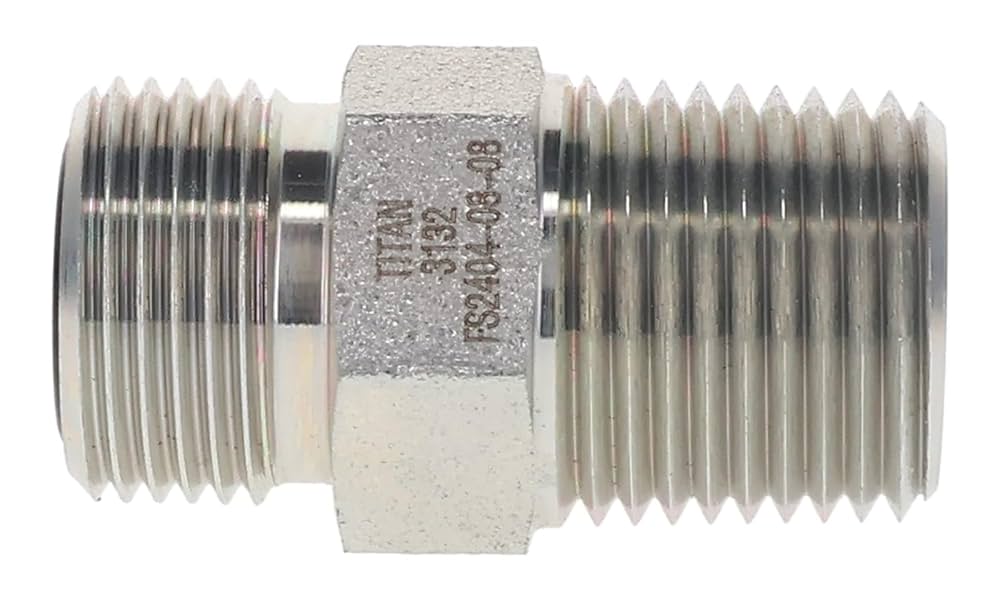
Brass naturally fights off oxidation because of how copper and zinc interact. https://northernhydraulics.net/hydraulics-shop/fittings/adapters carries brass variants made specifically for environments where corrosion happens fast. Carbon steel rusts when it gets wet. Brass develops a protective layer on its surface that actually slows down further damage. This makes brass the go-to choice for hydraulic systems running water-based fluids or water glycol blends.
Salt speeds up corrosion dramatically in marine settings. Brass handles saltwater exposure much better than carbon steel, though stainless steel beats them both in really harsh marine conditions. Special dezincification-resistant brass keeps working even after long water exposure. The material stays chemically stable across the pH levels you find in normal hydraulic work without needing any coating or plating applied.
Machinability enables precision
Brass cuts smoothly than steel when manufacturers make fittings. This easier machining lets them hold tighter tolerances on threads and sealing surfaces:
- Complex shapes with multiple ports and bends cost less to produce in brass
- Cutting tools last longer when working with brass instead of harder metals
- Thread profiles come out sharper and more defined
- Production runs faster with fewer tool changes needed
Thread quality determines how well connections seal. Brass threads emerge from manufacturing with crisp, clean profiles that mate smoothly during installation. The softer metal gives slightly when tightened, which helps form better seals using less torque than steel does. Taking connections apart and putting them back together goes more easily, too, because brass threads don’t seize up the way steel-on-steel contact does.
Non-sparking safety attribute
Brass conducts electricity, which matters in places where explosions could happen. Steel fittings sometimes spark from friction or getting hit. Brass won’t create that ignition source around flammable vapors or combustible dust:
- Chemical plants specify brass near reactive substances
- Refineries use brass in hydraulic systems close to petroleum products
- Grain elevators need brass where dust clouds form
- Mining operations choose brass in areas with explosive gas concerns
Brass doesn’t create magnetic fields either. Steel fittings mess with magnetic sensors and throw off compass readings. Brass parts produce zero magnetic interference and leave nearby instruments working correctly. This matters in scientific equipment, navigation systems, and anywhere precise measurements happen.
Pressure rating considerations
A brass piece cannot handle as much pressure as steel because of its tensile strength. Brass fittings are suitable for hydraulic systems under 3000 PSI. The material contains these pressures reliably while bringing other useful characteristics to the job. Push past that, and you need steel or stainless steel to hold the forces involved. Temperature creates another limit. Brass gets soft at heat levels where steel keeps its strength:
- Applications staying below 400°F work within brass capabilities
- Higher temperatures demand steel construction
- Thermal cycling affects brass more than steel over time
- Cold temperatures don’t hurt brass the way they can make steel brittle
Brass adapters solve specific problems in hydraulic setups where fighting corrosion, easy manufacturing, and magnetic neutrality matter more than maximum pressure capability. Getting the fitting material right for what the system actually faces produces reliable equipment matched to its real working conditions.