

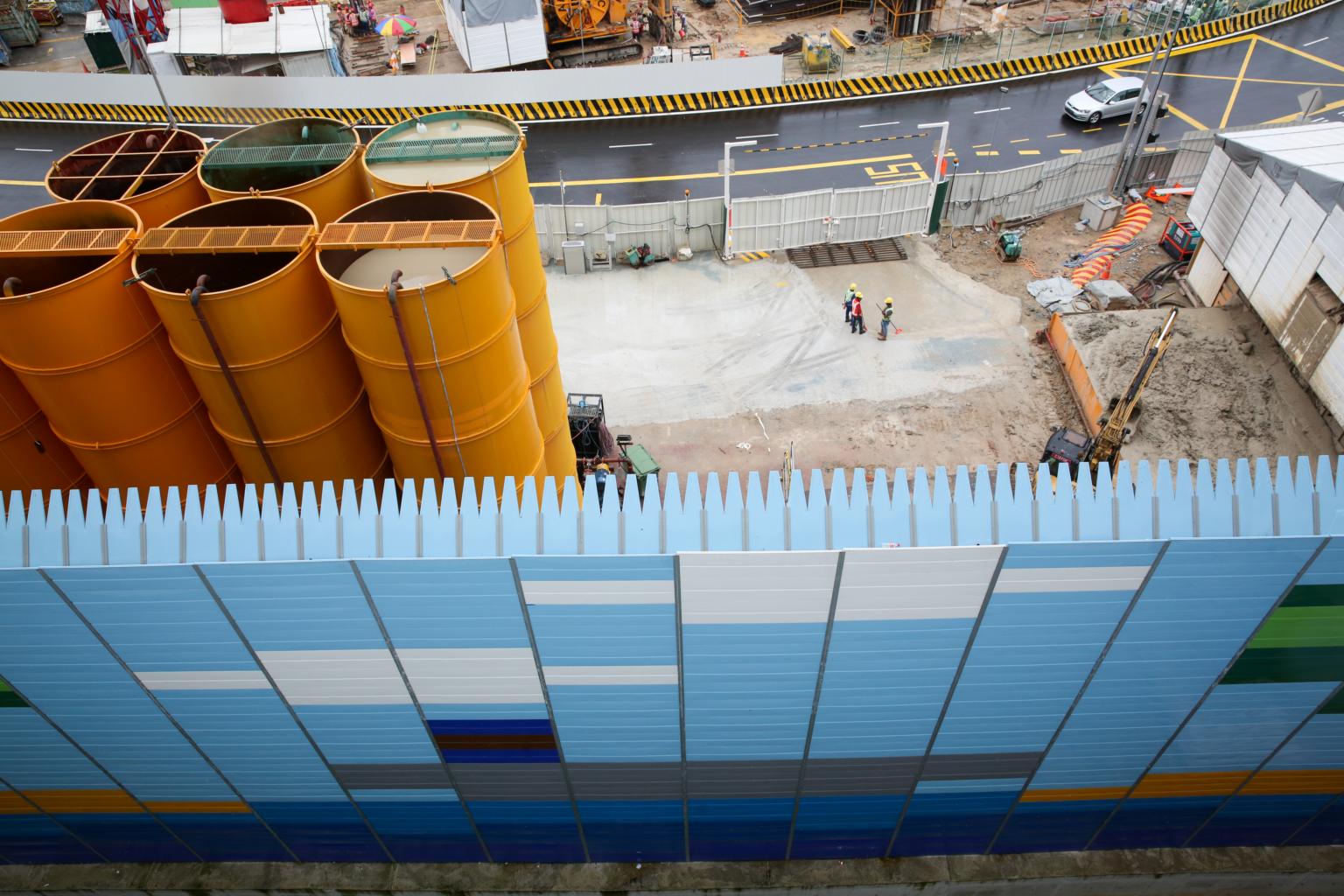
Walk past a construction site in Singapore these days and you might notice something different. The familiar roar of machinery and constant drilling seems a little more contained. That’s because many builders are now turning to smart noise barrier Singapore systems to keep projects running smoothly while reducing the impact on nearby communities.
Noise might feel like an unavoidable part of construction, but in a tightly packed city like Singapore, it’s something that builders simply can’t ignore anymore. With residential blocks, schools, and offices often sitting right next to active construction zones, managing sound levels has become as important as managing timelines and budgets.
The New Reality of Urban Construction
Singapore’s construction industry is always buzzing with activity. From new commercial buildings to housing projects, there’s always something being built or upgraded. But with progress comes pressure. Developers are now expected to deliver projects faster, more efficiently, and with less disruption to the people around them.
The National Environment Agency (NEA) has clear regulations that set limits for noise during different hours of the day, especially for residential areas. Exceeding these limits can lead to fines, work stoppages, and in some cases, tension with residents. That’s why builders have started paying more attention to smart noise control.
Traditional barriers helped reduce some sound, but they weren’t always enough to meet today’s strict standards. That’s where modern noise barriers in Singapore come in. These new solutions are designed not just to block sound, but to actively absorb and reduce it.
What Makes Smart Noise Barriers Different
Old-fashioned barriers were usually made of basic panels or plywood walls. They helped a bit but didn’t offer consistent results, especially in high-noise zones. Smart noise barriers, on the other hand, use advanced acoustic materials that absorb vibration and reduce the transmission of sound.
Some newer models are even modular, meaning they can be rearranged or extended depending on the site’s layout. They’re lightweight, weather-resistant, and easy to move, which makes them practical for urban environments where space is tight.
Even more impressive, a few noise barrier systems now come with sound monitoring features. This means construction managers can check noise levels in real time through digital devices. If the noise starts creeping up, alerts can be sent out so adjustments can be made immediately. It’s a simple idea with powerful results.
Using technology this way helps builders not just stay compliant with NEA regulations. They also avoid the stress of dealing with noise complaints or surprise inspections.
Why Builders Are Making the Switch
Many developers say that once they started using smart noise barriers, the difference was noticeable almost right away. The site felt calmer, communication between workers improved, and residents nearby were less likely to complain.
It’s not just about avoiding fines either. Noise-controlled sites also help boost productivity. Workers can hear instructions better, stay more focused, and make fewer mistakes. Over time, that translates to better safety, faster progress, and a more positive working environment.
From a business perspective, it’s also a win for reputation. When a company takes visible steps to reduce noise, it shows professionalism and respect for the community. In a place as connected as Singapore, that can make a big difference in how both clients and residents view your project.
A Win-Win for Builders and Residents
It’s easy to think of noise control as something that only benefits the public, but it’s just as important for project managers and contractors. Keeping sound levels under control helps maintain good relationships with authorities and the neighbourhood, which can prevent unnecessary delays.
Builders who plan ahead and include noise barrier solutions as part of their setup often find that their projects face fewer disruptions. The workflow is smoother, communication is clearer, and workers feel more comfortable on-site.
Meanwhile, residents get to enjoy a peaceful environment, even if construction is happening nearby. This helps reduce frustration and fosters better cooperation between construction teams and the community. When people see that a project is being managed responsibly, they’re more understanding and patient.
Building for the Future
As Singapore continues to grow, construction will always be part of the landscape. The challenge is to make it as sustainable and community-friendly as possible. Smart noise barriers are a step in that direction. They combine practicality with innovation, helping projects meet modern standards for safety, efficiency, and social responsibility.
Soon, we’ll likely see even more integration of technology into noise management. Imagine barriers that automatically adjust their position based on noise levels, or systems that can predict when sound might spike during certain stages of work. These ideas might sound futuristic, but they’re closer than most people think.
Final Thoughts
Managing construction noise is no longer just about following rules. It’s about building trust, improving efficiency, and showing that progress doesn’t have to come at the expense of peace. Investing in smart noise barrier solutions, builders are proving that development and community well-being can go hand in hand. When the noise goes down, everyone wins — the workers, the residents, and the city as a whole.